I Bought the Ticket, I Know the Ending: A Confession From Inside the Reboot Economy
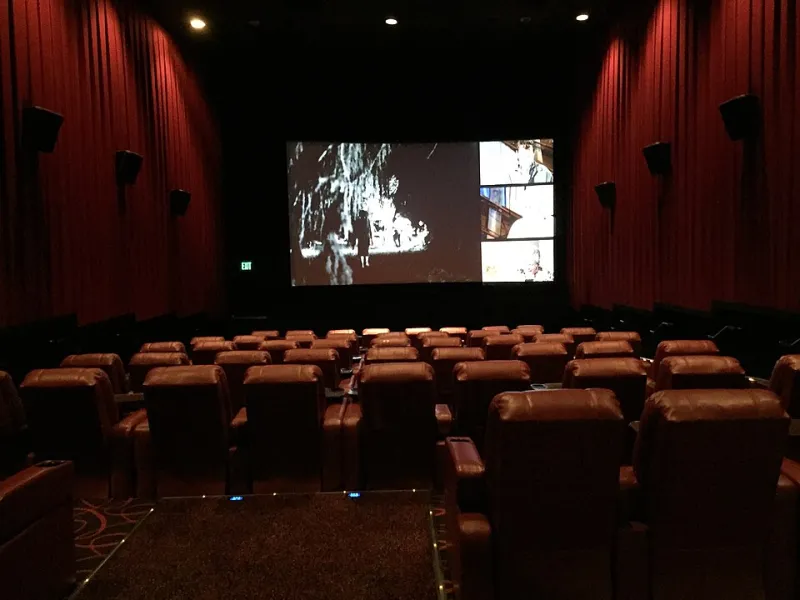
Photo: Famartin, CC BY-SA 4.0, via Wikimedia Commons
Last spring I sat in a theater in the middle of Ohio watching characters I'd loved since third grade get wheeled back out for one more go. I knew how it would end before the trailers finished. I knew the beats, the needle-drop, the emotional callback timed for the second act. And I bought the large popcorn anyway.
That's the part I keep coming back to. Not the movie — the ticket purchase. Because for years I've blamed the studios for the reboot flood, and I'm starting to suspect I've been pointing at the wrong suspect.
The Blame Game We All Play
It's fashionable to rag on Hollywood for creative bankruptcy. Legacy sequels, sitcom revivals, a third attempt at a franchise that peaked in 1999 — the pattern is so reliable it's practically a genre unto itself. Every few months another beloved property gets dusted off, and every few months the same op-eds get written about how the industry has run out of ideas.
And sure, there's truth there. Studios are risk-averse. A known property is a safer bet than something original, especially when a single theatrical release can sink or swim on opening weekend. The math is brutal and the math always wins.
But here's the thing the op-eds skip: the math only works because of us.
The Opening Weekend Confession
Think about how these releases actually perform. The reboot drops, the internet grumbles about how nobody asked for it, and then — opening weekend — it makes ninety million dollars. Who's in those seats? It's us. It's the same people writing the complaints, buying the tickets, and then going home to write think-pieces about the death of cinema.
I've done it. You probably have too. There's a particular kind of hope we carry into these movies that has nothing to do with whether the film will be good. We're not buying a story; we're buying a visit. A chance to sit with characters who feel like old friends, even if the conversation is awkward and everyone's aged weirdly.
What We're Actually Shopping For
Here's my theory, and it's less flattering than "studios are lazy." I think a lot of us are using reboots to negotiate with time.
There's a specific window of fandom — roughly the decade after you leave the things of your childhood behind — where those properties become less like entertainment and more like landmarks. The show you watched after school isn't a show anymore; it's a marker of who you were. When a studio revives it, they're not selling you a new chapter. They're selling you access to a version of yourself.
That's why the disappointment hits so hard, too. When the reboot is bad, it doesn't just fail as a movie — it feels like a slight against your own history. We take it personally because we were never watching as neutral audiences. We were watching as shareholders in our own pasts.
The One That Got Me
The franchise I went back to last spring was one I hadn't thought about seriously in fifteen years. And honestly? Parts of it worked. There was a scene about twenty minutes in where two characters who'd been estranged since the original run finally shared a frame, and I felt something real. Not nostalgia exactly — more like recognition. These fictional people had been part of the furniture of my childhood, and seeing them again was like visiting the house you grew up in after the new owners redecorated. Familiar, strange, a little sad.
Then the third act happened, and it did the thing reboots always do: it retconned emotional weight onto the original story, reframing everything through a lens nobody asked for. And I sat there thinking — I knew this would happen. I paid for this. I drove forty minutes for this.
So Who's Driving?
I've landed somewhere uncomfortable: it's both. The industry absolutely mines the past because mining is cheaper than digging. But we keep handing them the shovels. Every opening weekend we show up to, every streaming number we generate by putting a revival on as background noise, every time we click the reunion special — that's a signal. And signals get read.
The way out isn't to swear off nostalgia entirely. Some revivals are genuinely good, made by people who care about the material. The way out is to be honest about what we're buying. If I'm going to spend two hours and twenty bucks revisiting my childhood, I want to do it with my eyes open — knowing I'm chasing something the movie can't actually give me.
The characters can come back. The third-grader watching them can't. And no reboot, no matter how faithful, has figured out how to resurrect him.
That's not Hollywood's fault. That's just the deal we all signed at the box office, one ticket at a time.